

Learning SMD line tasks in simulation
Alongside the physical robot, our humanoid also trains in simulation. Here it carries out a specific task on an SMD line.
Quick links
M2M3ROBOT SELECTORSpare PartsPopular guides
AMR vs AGV: Key Differences ExplainedHow to Calculate AMR Deployment ROISmall AMR: Automating Tight SpacesNot sure which robot fits? Try the robot selector.
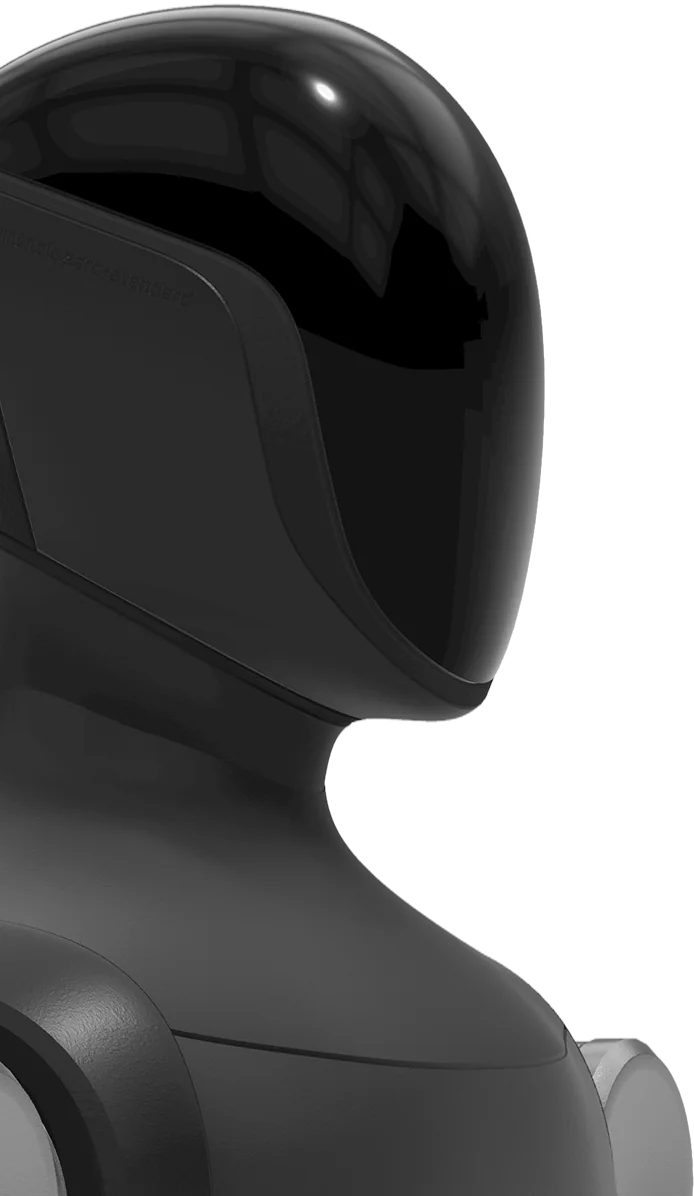
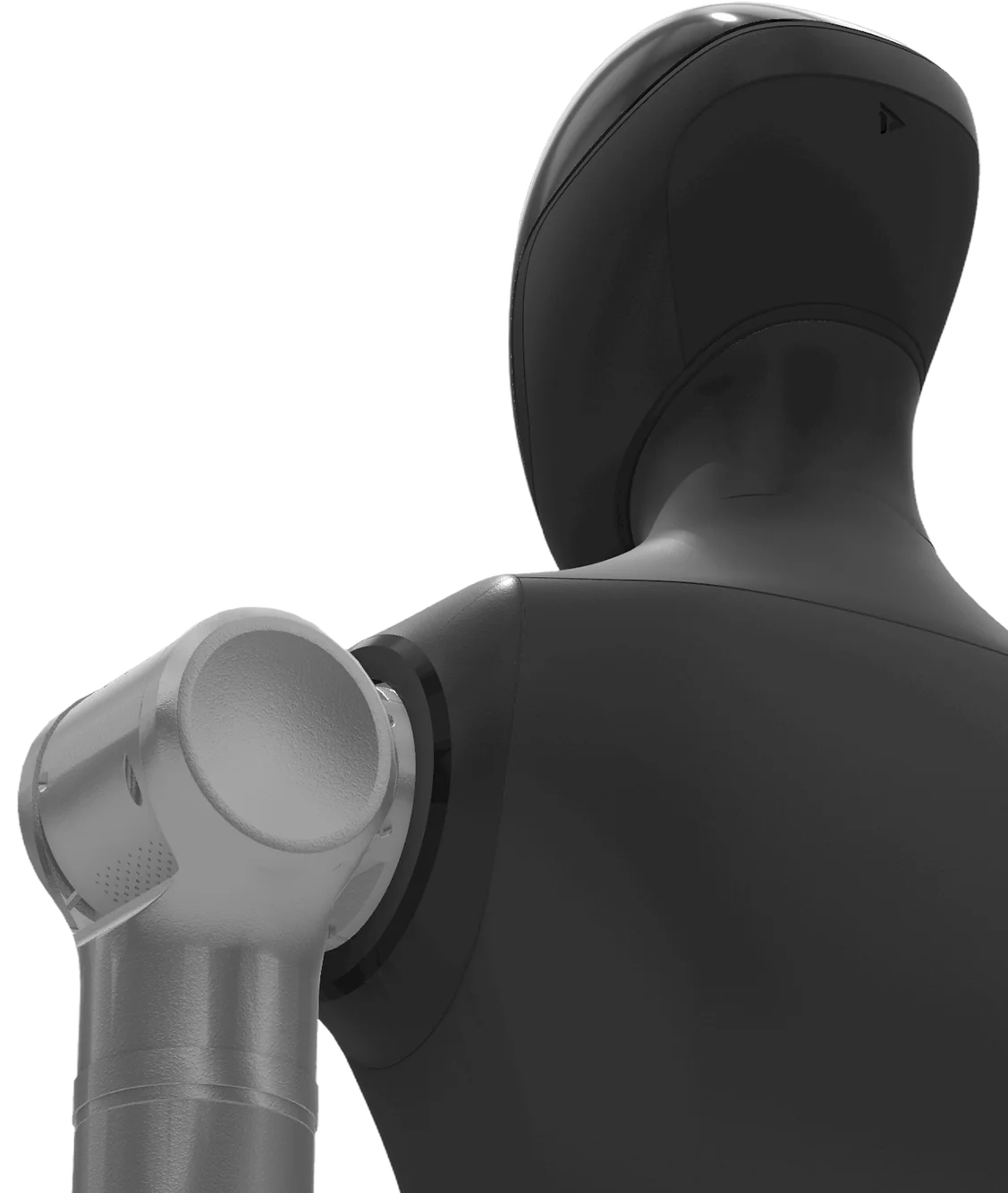
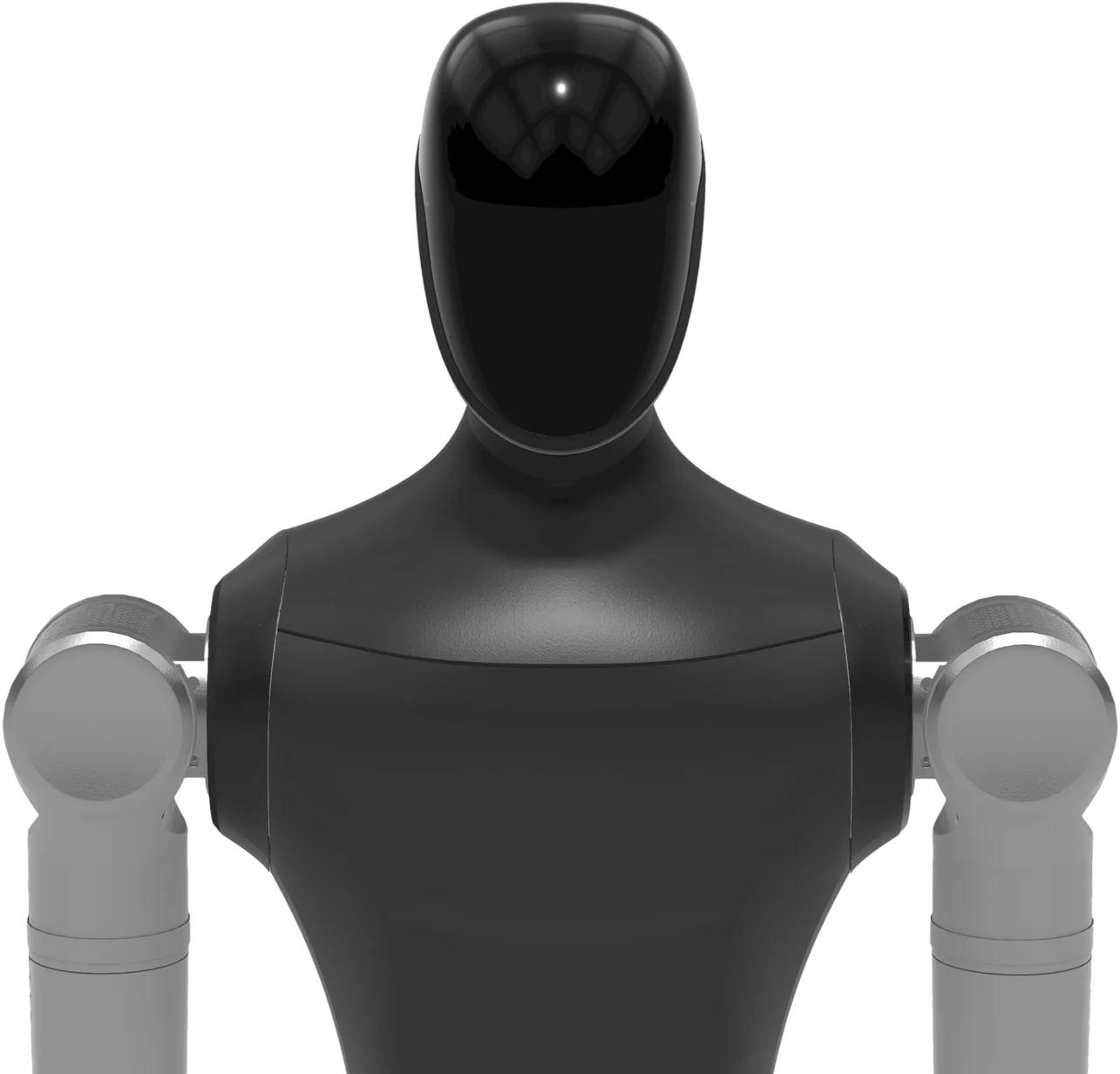
Polaris3D's humanoid robot project is now in development. Stay tuned for the official reveal.
We're documenting our humanoid robot's training journey, milestone by milestone. Training happens not only on the physical robot but also in simulation, and new results are added as training progresses.
Alongside the physical robot, our humanoid also trains in simulation. Here it carries out a specific task on an SMD line.
In simulation, the humanoid practices loading reel tape into an SMD feeder. The first clip shows the task from two cameras at once; the second follows it from a single viewpoint.
Before the first 50 training episodes, an operator guides the robot through the task by hand, demonstrating each motion. These demonstrations become the data the model learns from.
Early training phase. The model begins to learn basic movement patterns.
After 150 training episodes, motion stability and task accuracy improve noticeably.
The final result, after more than 150 episodes. On the left, the robot is still in training; on the right, it performs the task once training is complete.
The real humanoid picks up a box and places it at a target spot. It segments the box in the front camera image (SAM2) and estimates its 6D pose (MegaPose), then rechecks and corrects it with the wrist camera on approach. It sets the two gripper jaw positions from the box size, solves inverse kinematics (IK) and follows a collision-checked waypoint path. With the arm calibrated using ArUco markers, the box lands within 1 cm of the target. The video shows the real front and wrist cameras alongside the matching simulation views.